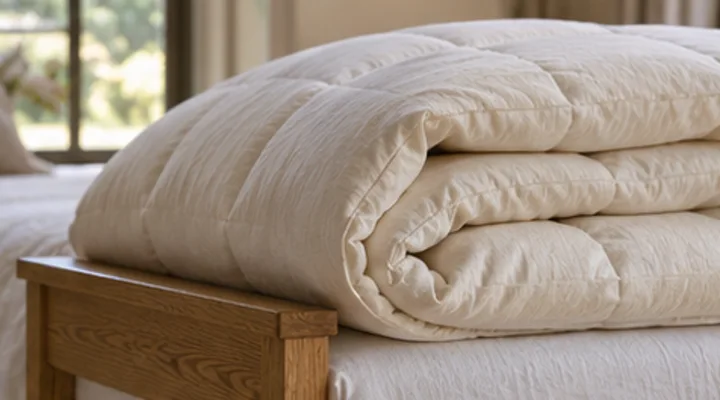
RoundupBest Comforter Styles by Room Temperature
Choose a comforter weight for warm, changeable, or consistently cold bedrooms and build a bed you can adjust overnight.
By Khristmas Putman
The bottom line
In a warm room, choose a lightweight comforter you can use by itself. A medium option is the better starting point when bedroom temperatures change with the seasons. Reach for an extra-warm comforter when the room is regularly cold and everyone under it wants substantial insulation. Warmth names are most useful when comparing options within a single product line.
What to look for
- Buy for overnight bedroom conditions, including thermostat setbacks and drafts.
- Use the product's finished width and length to estimate side coverage on a tall or shared bed.
- Pair a lighter comforter with a removable quilt when two sleepers disagree about warmth.
- Compare cleaning instructions with the capacity of your washer and dryer.
At a glance
Approximate U.S. price ranges vary by size, seller, and date.
| Option | Price range | Material | Size | Best use | Pros | Cons |
|---|
| Lightweight comforter | Budget to premium | Down or polyester fill | Twin through king | Warm bedrooms | Easy to pair with layers | Limited warmth alone |
|---|
| Midweight comforter | Budget to premium | Down or polyester fill | Twin through king | Seasonal temperature swings | Versatile main layer | May feel warm in summer |
|---|
| Extra-warm comforter | Midrange to premium | Higher-loft down or fiber fill | Twin through king | Consistently cold rooms | More insulation in one piece | Bulkier to launder |
|---|
What to know
Warm room: choose a light build
A lightweight comforter works when you want even coverage without creating a thick stack. Check that its shell feels comfortable enough for the way you use it. A duvet cover adds another layer, so weigh the convenience of washing a cover against the warmth it adds. If evenings are cool and mornings warm, keep a throw close and fold it down as needed.
Changing temperature: make the main layer versatile
For a room that swings across the week, a midweight comforter gives you a base you can adjust. Place a small quilt or throw across only the cold sleeper's side on an ordinary night. Store the extra layer where it can be pulled up easily, and compare its width with the part of the bed you actually want to cover.
Consistently cold room: check the bulky option in context
An extra-warm fill can be appropriate if the bedroom stays cold after the rest of the house has warmed up. A bigger comforter also means more bulk during laundering and storage. If the chilly feeling follows a specific window or wall, try moving the bed or treating the draft first. That can make a lighter, more manageable layer sufficient.
Who it suits
Good for
The three warmth levels are a useful shortlist if you know how your bedroom behaves overnight and agree with a bed partner about which layer stays on top most of the year.
Consider an alternative if
A shared extra-warm comforter is a poor choice when one person routinely throws off the covers. In that case, choose separate top layers or a lighter shared base.
Frequently asked questions
Are lightweight comforters summer-only?
A well-heated room may suit a light layer year-round. An additional quilt can bridge individual cold nights without replacing the comforter.
Can I compare fill weights across brands?
Only with care. Shell material, fill composition, and construction affect the result. Compare equivalent sizes and use weight alongside construction details.
How much overhang should I choose?
Subtract mattress width from comforter width and divide by two for the nominal drop on each side. Account for the space the sleepers take up underneath it.
 Master Woven Silk