ComparisonDuvet Insert vs. Comforter vs. Quilt
Find the right top bedding layer by comparing a removable duvet setup, a finished comforter, and a quilt.
By Khristmas Putman
The bottom line
Choose a duvet insert if you prefer to wash the outer cover and change the look of the bed independently of the fill. Choose a finished comforter for a one-piece top layer. Choose a quilt when lower loft or a flexible layering piece matters most. Check the shape and dimensions of both the bed and your washer before deciding which setup is easiest to live with.
What to look for
- Compare the finished dimensions of the mattress, top layer, and any separate cover.
- Check how the insert attaches inside a duvet cover and whether the corners line up.
- For a shared bed, check the overhang with both sleepers underneath the top layer.
- Read instructions for the whole bedding piece, including dryer limits or professional cleaning.
At a glance
Approximate U.S. price ranges vary by size, seller, and date.
| Option | Price range | Material | Size | Best use | Pros | Cons |
|---|
| Duvet insert and cover | Midrange to premium | Filled insert and separate fabric shell | Twin through king | Frequent cover washing | Changeable cover | Requires reassembly |
|---|
| Finished comforter | Budget to premium | Filled and stitched outer shell | Twin through king | Simple one-piece bed setup | Easy bedmaking | Whole piece needs laundering |
|---|
| Quilt | Budget to premium | Stitched fabric with thin batting | Twin through king | Layering and lower loft | Easy to fold away | Less warmth in lightweight builds |
|---|
What to know
Duvet insert: a washable outer layer
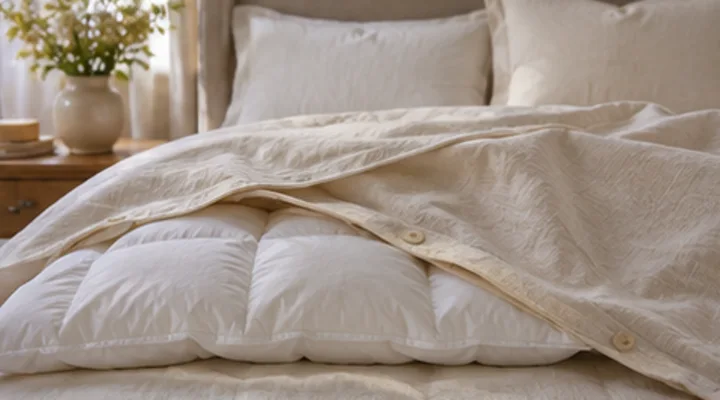
A duvet set separates the warm filling from the fabric you handle most often. It is useful if you like to wash the top surface frequently or rotate colors with the season. A corner loop and tie help hold the insert in place, but both pieces need to be sized the same way. A finished insert may also be sold as a comforter, so look at the construction.
Comforter: a single piece to spread out
A finished comforter can be spread across the bed without threading it into a cover. Some models still include loops for anyone who wants to add one later. This one-piece setup is a good fit when changing a duvet repeatedly tends to put off laundry. In return, cleaning a spill on the shell may involve laundering a large, thick piece.
Quilt: a flatter layer for changing seasons
Quilting holds thin batting or another fill between fabric layers. A lower profile is useful when you want a finish that follows the mattress more closely or you need something smaller to layer over a duvet. Cotton voile and other lightweight constructions exist, but a quilt can still be substantial. Check the fabric and weight for the actual product.
Who it suits
Good for
A duvet setup serves people who value interchangeable shells, a comforter suits a simple morning routine, and a quilt suits sleepers who want lighter or more adjustable coverage.
Consider an alternative if
Skip an oversized cover-and-insert pairing if it will bunch at the foot or take too much handling on wash day. Avoid a thick one-piece comforter if your laundry setup cannot dry it thoroughly.
Frequently asked questions
Can a comforter go inside a duvet cover?
Yes, if dimensions align and the comforter can be secured. Corner loops help, but the shape of the two pieces still matters.
What if my cover and insert are both marked queen?
Check the inches across and down. A combined full/queen designation, or different sizing by maker, can leave excess fabric in either direction.
Can a quilt replace the duvet in summer?
It can in a warm bedroom if the quilt gives enough coverage by itself. Keep the thicker layer stored dry until the room cools again.
 Master Woven Silk