ComparisonBlackout vs. Room-Darkening Curtains
Compare blackout, room-darkening, and light-filtering curtains by backing, fit, and how much daylight you want to keep.
By Khristmas Putman
The bottom line
Choose blackout fabric for a bedroom where direct sunlight repeatedly wakes you. Choose room-darkening curtains if you want to soften strong afternoon light while keeping some sense of daylight. Use light-filtering panels where maintaining a bright room matters most. In every case, judge the assembled window, including the top and side gaps, before assuming the product name tells you how the room will look.
What to look for
- Compare the maker’s opacity language and lining description for the exact fabric.
- Check rod placement and whether the panels can overlap in the center.
- Measure combined panel width and compare it with the full rod span.
- Ask for a swatch if you are buying an unfamiliar fabric for several windows.
At a glance
Approximate U.S. price ranges vary by size, seller, and date.
| Option | Price range | Material | Size | Best use | Pros | Cons |
|---|
| Blackout | Midrange to higher | Coated or lined fabric | Match rod width and wall overlap | Bright bedrooms | Low transmission through cloth | Edge light can remain |
|---|
| Room darkening | Lower to midrange | Dense or lined fabric | Match panel width and hem drop | Guest rooms and afternoon sun | Softens glare while retaining light | May look bright in direct sun |
|---|
| Light filtering | Lower to midrange | Sheer or open-knit fabric | Match rod span and fullness | Living rooms and daytime light | Keeps room bright | Limited night privacy |
|---|
What to know
How the cloth changes the room
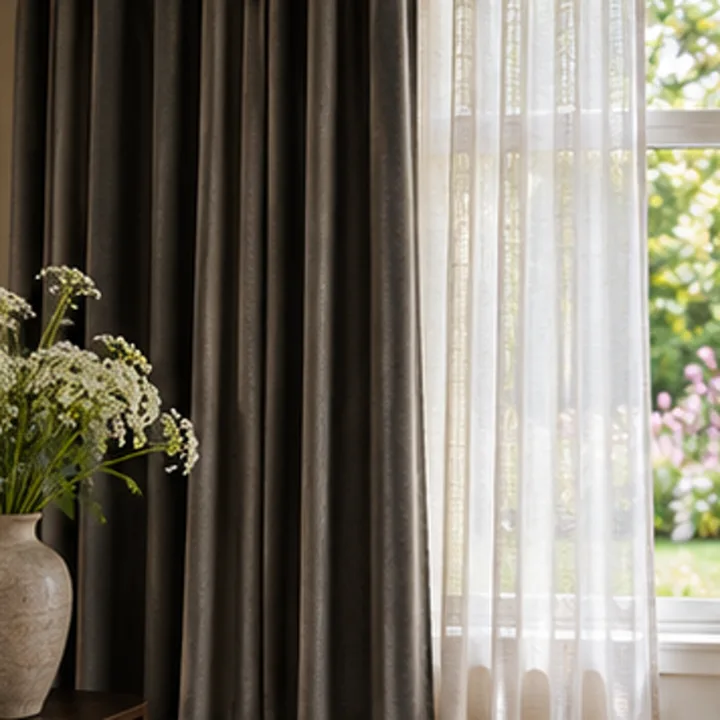
Blackout curtains tend to use a lining, coating, or other densely constructed layer that reduces light through the fabric. Room-darkening fabric may still glow in sun and can be easier to live with where you use the room during the day. A light-filtering fabric creates a diffused background while preserving much more daylight.
What remains visible around the fabric
Tape a paper mock-up at the proposed top and side edges to see where a fixed rod could land. Inspect the center line when the panels meet, especially if you have a projecting bracket there. An early sunbeam can enter from an open side even when the fabric shows very little light. A wider mounting position helps when the wall has room to extend past the trim.
How to compare two options fairly
Hold the swatches against the same window at the same time. Compare face color and transmitted brightness separately. Step outside after dark while the room is lit if privacy matters. If the window is above a heater, check the equipment maker’s clearance requirements before deciding on a long panel.
Who it suits
Good for
Choose this comparison if you like the look of curtains and want to buy the opacity that fits your actual room use.
Consider an alternative if
Compare shades as well if furniture keeps you from fitting a rod wide enough to get the coverage you want.
Frequently asked questions
Do all brands use the same opacity categories?
Read the specific product specifications and samples. Product labels vary, and the amount of visible light depends on installation.
Why is there a line of light along the top?
A gap can form between the rod, wall, and heading. Check whether a different mount or heading gives you closer coverage.
Can I layer room-darkening curtains over a sheer?
Yes. Plan for two sets of fabric to move independently and leave room for both at the rod ends.
 Master Woven Silk